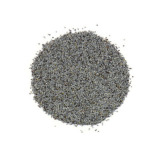
Poppy seeds are tiny, oil-rich seeds harvested from the opium poppy plant, Papaver somniferum. Although they are small in size, these seeds have a long history of culinary and cultural significance across many regions of the world. Known for their
...
mild, nutty flavor and delicate crunch, poppy seeds are widely used in baking, cooking, and traditional food preparations.
The seeds range in color from bluish-black to gray or white, depending on the variety and growing region. Blue or black poppy seeds are common in European cuisine, while white poppy seeds are frequently used in South Asian cooking. Their subtle taste allows them to blend well with both sweet and savory dishes, making them a versatile ingredient in many kitchens.
In baking, poppy seeds are commonly sprinkled on breads and pastries such as bagels, rolls, muffins, and cakes. They are also a key ingredient in traditional desserts in Central and Eastern Europe, where they are often ground into a paste and mixed with sugar, honey, or milk to create rich fillings for pastries and holiday treats. In countries like Poland and Hungary, poppy seed desserts are closely associated with festive occasions and traditional celebrations.
Beyond Europe, poppy seeds play an important role in South Asian cuisine. In Indian cooking, white poppy seeds are often ground into thick pastes that help create creamy textures in curries and sauces. They are also used in spice blends and regional dishes where their mild flavor adds depth without overpowering other ingredients.
From a nutritional perspective, poppy seeds are a valuable source of several essential nutrients. They contain healthy fats, including polyunsaturated fatty acids, which contribute to heart health when consumed as part of a balanced diet. Poppy seeds are also rich in dietary fiber, which supports digestion and gut health. Additionally, they provide important minerals such as calcium, iron, magnesium, phosphorus, and zinc. These nutrients play roles in bone strength, energy metabolism, and immune function.
Another notable aspect of poppy seeds is their natural antioxidant content. Antioxidants help protect the body from oxidative stress caused by free radicals, which are associated with aging and certain chronic diseases. While poppy seeds are typically consumed in small quantities, their nutrient density makes them a beneficial addition to a varied diet.
Because poppy seeds come from the same plant used to produce opium, they are sometimes misunderstood. However, the seeds themselves naturally contain only trace amounts of alkaloid compounds when properly harvested and cleaned. Culinary-grade poppy seeds are processed to remove most residues from the seed surface, making them safe and legal for food use in many countries.
Today, poppy seeds remain a staple ingredient in many traditional and modern recipes. Their distinctive texture, subtle flavor, and nutritional benefits continue to make them a valued component of global cuisine, from baked goods and desserts to savory sauces and spice pastes.