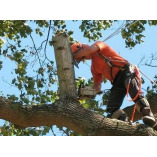
Albany Tree Service provides professional pruning that enhances tree health, safety, and appearance using techniques based on tree biology and decades of industry research. Proper pruning is both art and science. It requires understanding how... trees respond to cuts, where to make pruning cuts for optimal healing, how much foliage can be removed without stressing the tree, and how to shape trees to complement their natural growth habits and your landscape design. Our certified arborists evaluate each tree individually before making any cuts. We consider species, age, health, location, and your goals for the tree. Young trees get developmental pruning that establishes strong structure for decades of healthy growth. Mature trees receive maintenance pruning that removes dead wood, reduces hazards, and preserves their majestic form. We never top trees or make flush cuts that damage branch collars. These outdated practices harm trees, creating decay, weak regrowth, and shortened lifespans. Instead, we make proper pruning cuts just outside branch collars where trees naturally compartmentalize wounds. Our cuts heal quickly with minimal decay because we work with tree biology rather than against it. Crown cleaning removes dead, diseased, and broken branches that pose hazards and detract from appearance. Crown thinning selectively removes branches to reduce density, allowing light and air through the canopy while maintaining the tree's natural shape. Crown raising removes lower branches to provide clearance for pedestrians, vehicles, and structures. Crown reduction decreases tree height or spread by cutting back to lateral branches, maintaining a natural appearance unlike ugly topped trees. Each pruning type serves specific purposes and requires different approaches. Our arborists recommend appropriate pruning based on your trees' conditions and needs. Seasonal timing matters for pruning different species. We prune most deciduous trees during dormancy when disease transmission risks are low and tree structure is visible without leaves. Oaks get pruned during dormant season to prevent oak wilt spread. Flowering trees are pruned after blooming to avoid removing flower buds. Our timing recommendations optimize tree health and achieve your aesthetic goals.
Grow your business now by claiming your business profile and get full control over your business information and unlock powerful tools to engage with customers.
Benefits of claiming your profile:
Respond to customer reviews directly
Update business information and hours
Access analytics and customers insights
Submit a report to ProvenExpert
Quality assurance is the top priority of ProvenExpert's terms of use and evaluation guidelines.
However, should you feel that a review is in violation of our guidelines, you can submit a request to have the review assessed by the ProvenExpert quality assurance team by using the following contact form.
Send email to reviewer
* Required fields
You have already posted this review on . Posting again might create duplication.
Continue?